
Safed Musli and Fertility: Traditional Use vs Modern Evidence
Quick answer: A clear comparison of Safed Musli's traditional reputation with the limited modern evidence on fertility and reproductive wellness. No herb or food can guarantee pregnancy, and supplements should not delay a fertility evaluation.
What is Safed Musli?
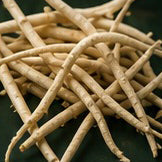
Safed Musli usually refers to the tuberous roots of Chlorophytum borivilianum. It has a long history in traditional South Asian formulations for strength, nourishment and sexual wellbeing. Products may contain powder, extracts or blends with other botanicals.
What does the fertility evidence show?
Most fertility claims for Safed Musli come from traditional practice, laboratory research and animal studies. Reliable human trials measuring pregnancy or live birth are lacking. It is therefore not possible to define an evidence-based dose or promise a fertility benefit. Traditional use can be part of a cultural wellness discussion, but it should not be presented as a substitute for diagnosis.
Fertility is influenced by age, ovulation, sperm health, reproductive anatomy, health conditions, medicines and timing. A laboratory change is not the same as a confirmed improvement in pregnancy or live-birth rates.
How it may fit into a fertility-wellness plan
Choose products that state the botanical name and plant part and provide contaminant testing. Blends should disclose every ingredient and quantity. A clinician or qualified tabib should review the complete supplement list because combining several vitality formulas can duplicate ingredients.
Build the plan around evidence-based foundations: a varied diet, clinician-recommended folic acid, regular movement, adequate sleep, avoiding tobacco and recreational drugs, and intercourse every one to two days during the fertile window when appropriate. Personal circumstances can change this advice.
Safety, interactions and product quality
Human safety data are limited, particularly during pregnancy and breastfeeding. People with diabetes, chronic illness, allergies or regular medication should obtain professional advice before use. Stop if digestive upset, rash, dizziness or another unexpected symptom develops.
“Natural” does not mean risk-free. Choose clearly labelled products with batch and expiry information, and preferably independent testing for identity, microbes, pesticides and heavy metals. Tell your fertility clinician about every tea, powder, oil and capsule you use.
When to seek fertility care
The World Health Organization defines infertility as not achieving pregnancy after 12 months of regular unprotected intercourse. Seek assessment earlier if the female partner is 35 or older (often after six months), cycles are absent or very irregular, there is severe pelvic pain, prior pelvic infection or surgery, recurrent pregnancy loss, sexual dysfunction, testicular problems, chemotherapy history, or another known risk factor.
A fertility assessment can include history, ovulation evaluation, semen analysis and checks of reproductive anatomy. Couples should be assessed together where possible.
Frequently asked questions
Is Safed Musli proven to improve fertility?
No. High-quality human evidence for conception or live birth is not available.
Is traditional use the same as clinical proof?
No. Traditional knowledge can guide research and culturally informed care, but clinical claims require well-designed human studies.
Can Safed Musli replace a fertility test?
No. Ovulation assessment, semen analysis and evaluation of reproductive anatomy address causes supplements cannot identify.
How do I check product quality?
Look for the botanical name, batch number, expiry date, manufacturer details and independent testing for microbes, pesticides and heavy metals.
Reliable further reading
- World Health Organization: Infertility fact sheet
- American Society for Reproductive Medicine: Optimizing natural fertility
- NIH Office of Dietary Supplements: What you need to know
Medical disclaimer: This article is for education only and is not a diagnosis, prescription or substitute for care from a qualified clinician. Evidence can change. Do not use a herbal supplement during pregnancy or fertility treatment unless your clinician has reviewed it.