
Honey and Fertility: Preconception Nutrition and Common Myths
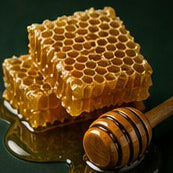
Quick answer: Honey can be enjoyed as food, but it is not a fertility cure. Understand portions, evidence and its place in preconception nutrition. No herb or food can guarantee pregnancy, and supplements should not delay a fertility evaluation.
What is Honey?
Honey is primarily a mixture of natural sugars with water and small amounts of plant compounds. Its flavour and composition depend on the floral source. It has cultural importance in many wellness traditions.
What does the fertility evidence show?
There is no robust clinical evidence that honey alone improves ovulation, sperm quality, conception or live-birth rates. Laboratory antioxidant findings should not be translated into fertility promises. A sustainable dietary pattern matters more than adding a single sweetener.
Fertility is influenced by age, ovulation, sperm health, reproductive anatomy, health conditions, medicines and timing. A laboratory change is not the same as a confirmed improvement in pregnancy or live-birth rates.
How it may fit into a fertility-wellness plan
Enjoy honey in small food portions if it fits your overall diet. Pairing sweet foods with protein, fibre and minimally processed meals can support steadier eating patterns. Honey should not replace fruit, vegetables, whole grains, protein or clinician-recommended folic acid.
Build the plan around evidence-based foundations: a varied diet, clinician-recommended folic acid, regular movement, adequate sleep, avoiding tobacco and recreational drugs, and intercourse every one to two days during the fertile window when appropriate. Personal circumstances can change this advice.
Safety, interactions and product quality
Honey still counts as added sugar. People with diabetes, insulin resistance or PCOS may need individualized carbohydrate guidance. Allergy is possible. Supplements or mixtures containing honey can include undisclosed herbs, so read the full label.
“Natural” does not mean risk-free. Choose clearly labelled products with batch and expiry information, and preferably independent testing for identity, microbes, pesticides and heavy metals. Tell your fertility clinician about every tea, powder, oil and capsule you use.
When to seek fertility care
The World Health Organization defines infertility as not achieving pregnancy after 12 months of regular unprotected intercourse. Seek assessment earlier if the female partner is 35 or older (often after six months), cycles are absent or very irregular, there is severe pelvic pain, prior pelvic infection or surgery, recurrent pregnancy loss, sexual dysfunction, testicular problems, chemotherapy history, or another known risk factor.
A fertility assessment can include history, ovulation evaluation, semen analysis and checks of reproductive anatomy. Couples should be assessed together where possible.
Frequently asked questions
Does honey improve fertility?
There is no good evidence that honey by itself treats infertility or improves pregnancy rates.
Is raw honey better for conception?
No fertility advantage has been established. Raw products also require careful sourcing and hygiene.
Can people with PCOS use honey?
Possibly in small portions, but carbohydrate needs vary. A clinician or dietitian can help with metabolic goals.
What should a preconception diet include?
Varied vegetables, fruit, whole grains, suitable protein, healthy fats and key nutrients such as folic acid are more important than one special food.
Reliable further reading
- World Health Organization: Infertility fact sheet
- American Society for Reproductive Medicine: Optimizing natural fertility
- NIH Office of Dietary Supplements: What you need to know
Medical disclaimer: This article is for education only and is not a diagnosis, prescription or substitute for care from a qualified clinician. Evidence can change. Do not use a herbal supplement during pregnancy or fertility treatment unless your clinician has reviewed it.