
Fenugreek, Hormones and Fertility: Evidence and Safety
Quick answer: Fenugreek is widely used in food and supplements. Learn what hormone and fertility evidence does not yet prove and who needs caution. No herb or food can guarantee pregnancy, and supplements should not delay a fertility evaluation.
What is Fenugreek?
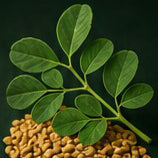
Fenugreek (Trigonella foenum-graecum) is a culinary seed and traditional botanical. Supplements may use seed powder or concentrated extracts and are marketed for metabolism, lactation, testosterone or general vitality.
What does the fertility evidence show?
Studies of fenugreek use different extracts and often focus on glucose, exercise or sexual-function outcomes rather than pregnancy. Evidence does not establish fenugreek as a treatment for anovulation, low ovarian reserve, tubal disease or male infertility. Hormone marketing should not be confused with clinically meaningful fertility outcomes.
Fertility is influenced by age, ovulation, sperm health, reproductive anatomy, health conditions, medicines and timing. A laboratory change is not the same as a confirmed improvement in pregnancy or live-birth rates.
How it may fit into a fertility-wellness plan
Culinary use is not equivalent to a high-dose capsule. Anyone considering a supplement should review the exact extract, dose and purpose with a clinician and avoid stacking it with other products marketed for hormones or blood sugar.
Build the plan around evidence-based foundations: a varied diet, clinician-recommended folic acid, regular movement, adequate sleep, avoiding tobacco and recreational drugs, and intercourse every one to two days during the fertile window when appropriate. Personal circumstances can change this advice.
Safety, interactions and product quality
Fenugreek can cause digestive symptoms, allergy and a maple-like body odour. It may lower blood sugar and affect clotting. Avoid medicinal doses during pregnancy unless a qualified clinician advises them, and seek guidance with diabetes medicines, anticoagulants or peanut/chickpea allergy.
“Natural” does not mean risk-free. Choose clearly labelled products with batch and expiry information, and preferably independent testing for identity, microbes, pesticides and heavy metals. Tell your fertility clinician about every tea, powder, oil and capsule you use.
When to seek fertility care
The World Health Organization defines infertility as not achieving pregnancy after 12 months of regular unprotected intercourse. Seek assessment earlier if the female partner is 35 or older (often after six months), cycles are absent or very irregular, there is severe pelvic pain, prior pelvic infection or surgery, recurrent pregnancy loss, sexual dysfunction, testicular problems, chemotherapy history, or another known risk factor.
A fertility assessment can include history, ovulation evaluation, semen analysis and checks of reproductive anatomy. Couples should be assessed together where possible.
Frequently asked questions
Does fenugreek balance hormones?
That phrase is too broad. Hormonal conditions require specific diagnosis and treatment; evidence does not support fenugreek as a general hormone balancer.
Can it raise testosterone?
Some supplement studies report changes in selected measures, but results do not establish treatment for infertility.
Is fenugreek safe with metformin?
Both may affect glucose. Ask the prescribing clinician before combining them.
Can it induce ovulation?
It is not an evidence-based ovulation-induction medicine.
Reliable further reading
- World Health Organization: Infertility fact sheet
- American Society for Reproductive Medicine: Optimizing natural fertility
- NIH Office of Dietary Supplements: What you need to know
Medical disclaimer: This article is for education only and is not a diagnosis, prescription or substitute for care from a qualified clinician. Evidence can change. Do not use a herbal supplement during pregnancy or fertility treatment unless your clinician has reviewed it.