
Black Seed and Fertility: What Studies Really Suggest
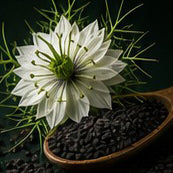
Quick answer: An evidence-led look at Nigella sativa, semen and metabolic research, safety cautions and the limits of fertility claims. No herb or food can guarantee pregnancy, and supplements should not delay a fertility evaluation.
What is Black Seed?
Black seed, or Nigella sativa, is a culinary and traditional medicinal seed. Thymoquinone is one of its studied compounds. Products include whole seed, oil and concentrated extracts, which are not interchangeable.
What does the fertility evidence show?
A small number of human studies have examined semen measures and metabolic markers. Results are interesting but not sufficient to show that black seed increases pregnancy or live-birth rates. Product differences, limited sample sizes and short follow-up make strong conclusions inappropriate.
Fertility is influenced by age, ovulation, sperm health, reproductive anatomy, health conditions, medicines and timing. A laboratory change is not the same as a confirmed improvement in pregnancy or live-birth rates.
How it may fit into a fertility-wellness plan
Using the seed as a culinary ingredient is different from taking spoonfuls of oil or capsules. If a clinician supports a supplement trial, use one standardized product, keep the dose within the label and record all other medicines and supplements.
Build the plan around evidence-based foundations: a varied diet, clinician-recommended folic acid, regular movement, adequate sleep, avoiding tobacco and recreational drugs, and intercourse every one to two days during the fertile window when appropriate. Personal circumstances can change this advice.
Safety, interactions and product quality
Black seed may affect blood sugar, blood pressure and clotting. Seek advice if you use diabetes, hypertension or anticoagulant medicines, have surgery planned, or are pregnant or breastfeeding. Oils can also cause allergy or digestive irritation.
“Natural” does not mean risk-free. Choose clearly labelled products with batch and expiry information, and preferably independent testing for identity, microbes, pesticides and heavy metals. Tell your fertility clinician about every tea, powder, oil and capsule you use.
When to seek fertility care
The World Health Organization defines infertility as not achieving pregnancy after 12 months of regular unprotected intercourse. Seek assessment earlier if the female partner is 35 or older (often after six months), cycles are absent or very irregular, there is severe pelvic pain, prior pelvic infection or surgery, recurrent pregnancy loss, sexual dysfunction, testicular problems, chemotherapy history, or another known risk factor.
A fertility assessment can include history, ovulation evaluation, semen analysis and checks of reproductive anatomy. Couples should be assessed together where possible.
Frequently asked questions
Is black seed a fertility medicine?
No. It is not an established treatment for infertility.
Can black seed oil improve sperm?
Limited studies have reported changes in some semen measures, but the evidence is not conclusive.
Is more oil better?
No. Concentrated use can increase side effects and interactions without proven additional benefit.
Should both partners take it?
Not automatically. Each partner has different health needs and should be assessed individually.
Reliable further reading
- World Health Organization: Infertility fact sheet
- American Society for Reproductive Medicine: Optimizing natural fertility
- NIH Office of Dietary Supplements: What you need to know
Medical disclaimer: This article is for education only and is not a diagnosis, prescription or substitute for care from a qualified clinician. Evidence can change. Do not use a herbal supplement during pregnancy or fertility treatment unless your clinician has reviewed it.